
What Really Causes Horse Trailer Fires (And How to Catch One Before It’s Too Late)
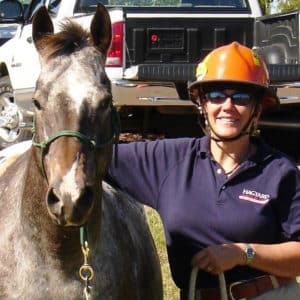
Dr. Rebecca Husted, president of Technical Large Animal Emergency Rescue (TLAER) and co-author of the first large animal rescue textbook, has spent decades studying and responding to large-animal emergencies. One horse trailer fire risk she says is often overlooked is a wheel bearing running hot.
It’s not the explanation people usually reach for after a trailer fire, and the earliest warning signs can be easy to miss from the driver’s seat. Here’s how an overheating bearing can turn into a trailer fire, what to watch for while you’re hauling, and the steps you can take to reduce the risk before your next trip.
1. It's (Almost Certainly) Not a Cigarette Butt
One explanation that often comes up after a trailer fire is a cigarette tossed from another vehicle:
"They always say, oh, it's probably a cigarette butt flicked by another driver."
Dr. Husted pointed to research that makes that scenario highly unlikely:
"I had a guy at Mississippi State many years ago who put horse trailers in a big wind tunnel, and he'll tell you that that's almost impossible."
She did make an important distinction. A cigarette discarded from the tow vehicle itself could potentially make its way back toward the trailer. Her point wasn't that a cigarette can never start a trailer fire. It was that a cigarette flicked from another passing vehicle is unlikely to be the culprit.
2. How a Hot Bearing Turns Into a Trailer Fire
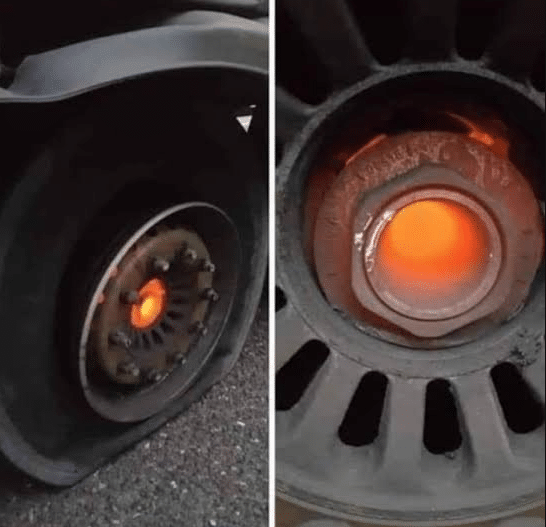
The mechanism is straightforward once you know it. A bearing overheats, ignites, and it's sitting right next to the tire:
"It gets really, really hot, gets on fire, guess what? It's right next to that nice rubber on the tire, that catches, and then that works up into the thing."
From there, a smoldering bearing becomes a tire fire, and a tire fire becomes a trailer fire.
3. The Broader Fire Data Supports the Mechanical Risk
There's no public database that tracks horse trailer fires as their own category, so we can't say exactly how often a hot wheel bearing causes a horse trailer fire. Broader highway vehicle fire data does, however, support the mechanical risk Dr. Husted is describing.
According to National Fire Protection Association data from 2018 through 2022, 61% of highway vehicle fires began in the engine area, running gear, or wheel area. Mechanical failure or malfunction was also the leading reported factor contributing to ignition in highway vehicle fires.
Those numbers are not horse-trailer-specific, and they don't tell us how many of those fires began with a wheel bearing. What they do show is that the wheel and running-gear area is a major point of origin for vehicle fires, which makes bearing condition and trailer maintenance something worth taking seriously before every hauling season.
4. Catch It Before It's a Crisis
The scary part isn't the bearing itself, it's how easy the early stage is to miss. Dr. Husted described a case where a horse owner had no idea anything was wrong until another driver flagged her down:
"If you're not looking in your rearview mirror on a regular basis, and or you don't have a trailer camera in your trailer to realize there's smoke building up in your trailer, you just keep driving until somebody else honks."
In the case Dr. Husted described, the warning came too late and both horses died.
Other real-world fires show how much can happen in a matter of minutes. In 2020, a driver hauling two horses on Interstate 15 near Pocatello, Idaho was able to pull onto the shoulder and disconnect the burning trailer. A passerby stopped to help unload both horses before the trailer became fully engulfed. Neither horse was injured.
That's why Dr. Husted puts so much emphasis on paying attention while you're driving. Regular mirror checks and a working trailer camera aren't only about watching how your horses are riding. Smoke where there shouldn't be smoke may be the first indication that something is going wrong behind you.
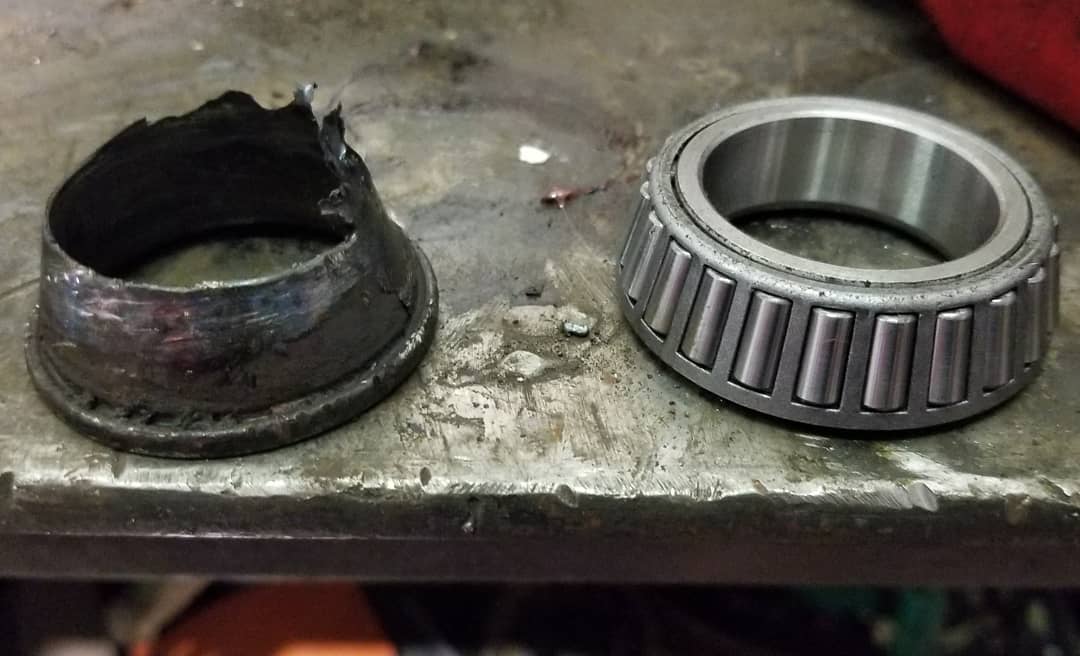
Burned bearing next to a normal one.
5. Carry a Fire Extinguisher (But Know Its Limits)
Dr. Husted cautioned against assuming that carrying a fire extinguisher means you'll be able to stop a developing truck or trailer fire. Vehicle fires can spread incredibly fast. In some situations, an extinguisher may buy you valuable time to act, but getting people and horses away from the fire remains the priority.
Her practical recommendation is to carry more than one extinguisher, with one accessible from the truck and another with the trailer. If the truck itself is burning, you don't want your only extinguisher stored somewhere you can't safely reach.
She also discussed an important complication inside horse trailers. Discharging a dry-chemical extinguisher in an enclosed horse compartment can quickly fill the space with powder and reduce visibility. If the only thing burning is ordinary combustible material such as bedding, a water extinguisher may have advantages. But that doesn't mean water is appropriate for every trailer fire. A fire involving electrical equipment, fuel, a wheel assembly, or multiple materials is a very different situation.
That's why Dr. Husted's bigger point was education. Know what type of extinguisher you're carrying, what kinds of fires it's designed for, and how to use it before you're standing beside a burning trailer.
"Do you actually know how to use a fire extinguisher? Do you know how to pull the pin and use P.A.S.S? Go ask your fire department, they'll teach you... most people have never actually done it."
Don't let the first time you pull the pin on a fire extinguisher be the moment you actually need one. Dr. Husted recommended asking your local fire department to show you how to use it and practicing the PASS method ahead of time.
6. Prevention Starts With Bearing Maintenance
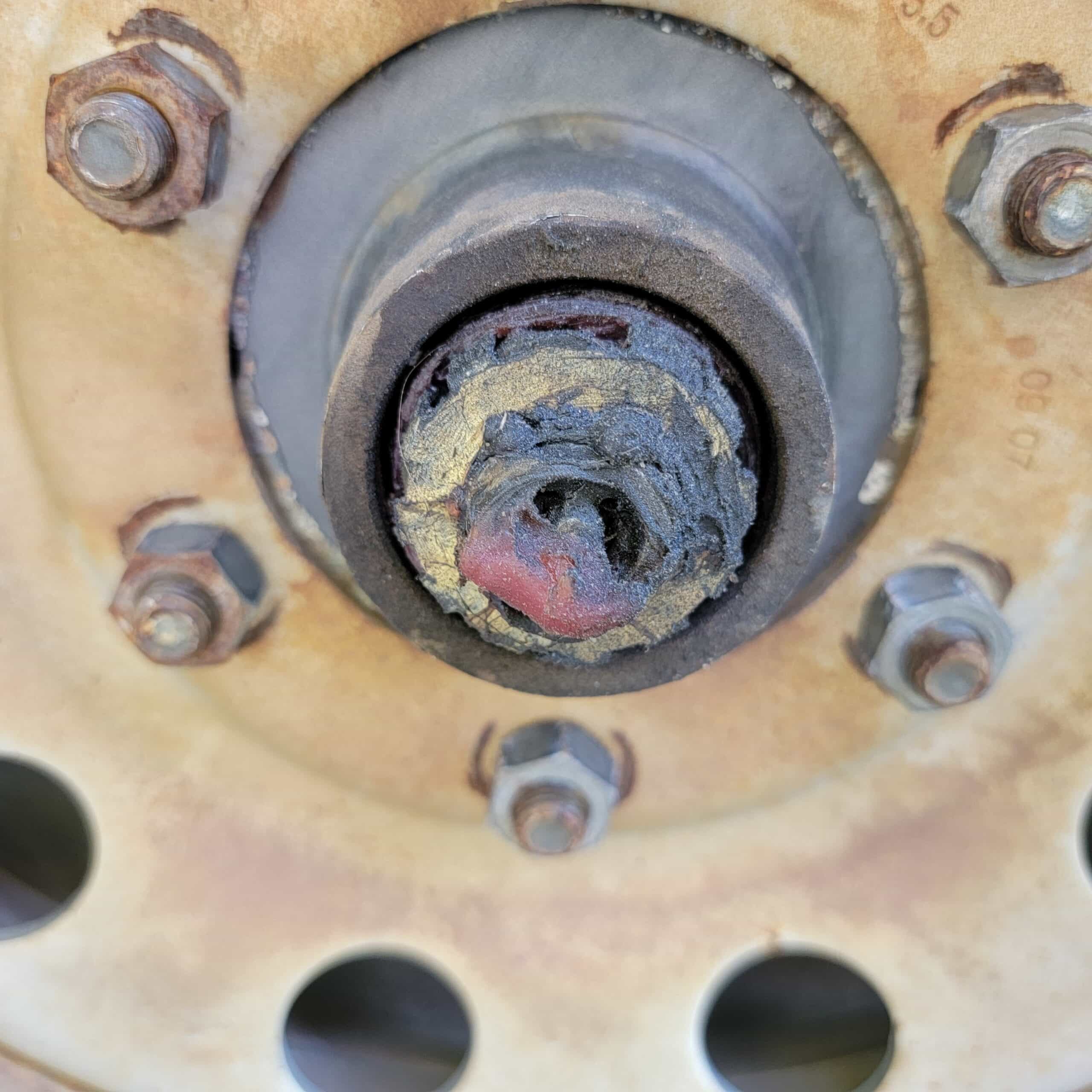
If an overheating bearing can start this chain of events, regular bearing service is one of the most important preventive steps a trailer owner can take.
During the webinar, Double D Trailers recommended having wheel bearings serviced or repacked at least twice a year as a general guideline, with more frequent attention for trailers that are hauled multiple times a week. Dr. Husted agreed, while emphasizing throughout the discussion that maintenance schedules depend on how a trailer is used and that owners should follow the manufacturer's instructions for their specific equipment.
The bigger takeaway is not to wait for a bearing to give you an obvious warning. Know when yours were last serviced, include the wheel and running gear in your regular trailer inspections, and stay current on the maintenance schedule for your trailer.
Before Your Next Haul
The most useful part of Dr. Husted's advice is that none of these decisions should be made for the first time when you see smoke.
Before your next trip:
- Know when your wheel bearings were last serviced.
- Make sure your trailer camera is working and check your mirrors regularly while hauling.
- Carry an appropriate fire extinguisher where you can reach it quickly.
- Know how to use the PASS method before an emergency.
- Make sure you can quickly open the doors and latches you would use to unload your horses.
- If you haul a living quarters trailer, know where your propane tanks and generator or fuel systems are located.
A trailer fire can develop incredibly quickly. The more of these decisions you make before leaving the driveway, the fewer you'll have to make while standing beside a trailer with smoke coming from it.
If a Fire Does Start
The moment-by-moment response, when to fight it with an extinguisher versus evacuate immediately, and why you need to chock the trailer before unhitching from a burning truck, is covered step by step in our guide on what to do after a horse trailer accident.
FAQ: Horse Trailer Fires
What causes horse trailer fires? There isn't a national database that identifies the causes of horse trailer fires specifically, so we can't say that one cause accounts for most of them. Dr. Rebecca Husted says an overheating wheel bearing is an important and often overlooked cause. A hot bearing can ignite near the tire, allowing the fire to spread from the wheel area into the trailer.
How common are horse trailer fires? There's no dedicated national database tracking horse trailer fires, so we don't have a reliable number for how often they occur. Broader National Fire Protection Association data does show that 61% of highway vehicle fires from 2018 through 2022 began in the engine area, running gear, or wheel area. That data isn't specific to horse trailers, but it reinforces the importance of maintaining and monitoring the mechanical components around your trailer's wheels.
How can I catch a trailer fire early? Check your mirrors regularly while hauling and consider using a camera inside the trailer. Dr. Husted warned that smoke can begin building behind you without the driver realizing what's happening. A camera can give you another way to spot a problem before someone beside you on the highway has to get your attention.
What kind of fire extinguisher should I carry? Carry an extinguisher rated for the types of fire you could reasonably encounter around your truck and trailer, and make sure you understand what it can and cannot be used on. Dr. Husted recommends having an extinguisher accessible from the truck and another with the trailer. She also cautioned that dry-chemical extinguishers can quickly reduce visibility when discharged inside an enclosed horse compartment.
Should I practice using a fire extinguisher before I need one? Yes. Dr. Husted strongly recommends learning the PASS method and knowing how your extinguisher works before an emergency. She suggested asking your local fire department to show you how to use one.
How often should I have my trailer's wheel bearings serviced? Double D Trailers generally recommends servicing or repacking wheel bearings at least twice a year, with more frequent service for trailers hauled multiple times a week. Your trailer's specific maintenance requirements may vary, so always follow the manufacturer's instructions for your trailer and components.
What should I know about propane tanks in a living quarters trailer? Know where your propane tanks and other fuel sources are located before an emergency and tell first responders what's onboard. Do not approach or try to remove a propane cylinder that is already exposed to fire. In a documented 2020 horse trailer fire near Pocatello, Idaho, a propane tank inside the burning trailer caught fire and exploded after the horses had been safely removed.