
How Horse Trailers Are Built: Frame Design, Welding & Construction Explained
Most horse owners never see how a horse trailer is actually built.
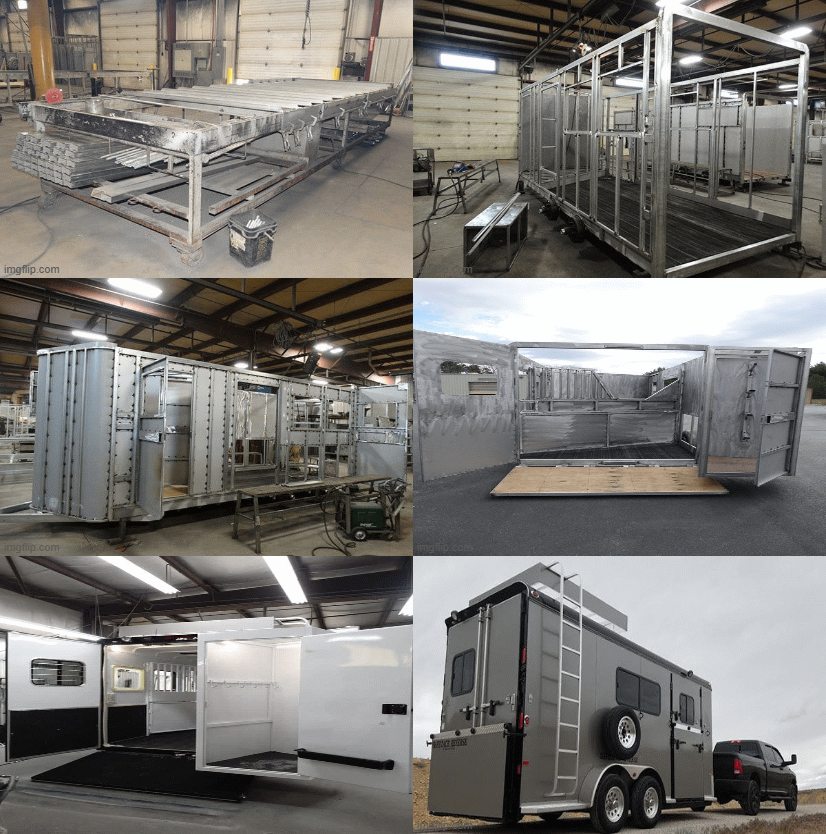
From the outside, many trailers look similar... smooth aluminum skin, clean lines, fresh paint. But the things that really matter are hidden underneath those panels. The frame, the way it’s welded, how the walls are structured, and how the roof is supported all play a major role in how strong and safe a trailer will be over time.
Construction isn’t just about craftsmanship. It affects how a trailer handles stress, how well it protects horses in an accident, how it ventilates, and even how well it holds its value years down the road. Below is a step-by-step look at how horse trailers are built and what’s really going on beneath the surface.
Smart Design You Can See in Action
No hidden factory lines. No shortcuts. This quick behind-the-scenes look shows what makes Double D Trailers different. Thoughtful welds, premium materials, and safety-first design brought to life by expert hands.
Step 1: Horse Trailer Frame Design
Every horse trailer begins with the frame. This is the structural foundation that carries the load, absorbs road stress, and protects horses during sudden stops or accidents.
A well-designed horse trailer frame should:
-
Use structural-grade steel or engineered aluminum with proper yield strength
-
Distribute weight evenly across the chassis
-
Include cross members positioned to prevent flex
-
Support wall attachment points securely
The frame is responsible for maintaining shape under stress. Poor frame design leads to twisting, wall separation, cracked welds, and long-term fatigue.
Our patented Z-Frame design increases wall strength by creating a reinforced perimeter structure rather than relying on thin skin for rigidity. Learn more about our Z-Frame horse trailer design and how it improves structural stability.
Frame design is the backbone of horse trailer construction. Everything else attaches to it. A well-engineered horse trailer frame design reduces flex and increases overall structural integrity during transport.
Step 2: Horse Trailer Welding and Framing
Once the frame components are cut and fitted, the welding process begins.
Horse trailer welding and framing determine how well the structure holds together under vibration and impact.
Important welding factors include:
-
Full weld penetration at structural joints
-
Proper alignment before welding
-
Continuous welds where strength is critical
-
Clean surface preparation
Poor weld quality is one of the most common hidden weaknesses in trailer construction. Inconsistent welds create stress points that can crack over time.
A properly welded trailer frame distributes load through connected structural members rather than concentrating force at isolated joints.
The quality of welding directly affects long-term durability. Horse trailer welding and framing must work together as a unified structure to prevent fatigue cracks over time.
Step 3: Floor System and Cross Member Installation
After the main frame is welded, cross members and flooring support structures are installed.
The floor system must support:
-
The static weight of horses
-
Dynamic movement during transport
-
Moisture exposure from urine and washing
Cross members should be spaced appropriately to prevent sagging and long-term fatigue.
In many trailers, floor systems deteriorate due to moisture retention or inadequate support. Proper sealing, drainage, and material selection play a major role in longevity.
The floor is one of the most critical safety components in a horse trailer.
Step 4: Wall Construction and Interior Protection
Wall structure is where many differences appear between manufacturers.
Horse trailer wall construction typically includes:
-
Outer skin panel
-
Structural wall frame
-
Insulation
-
Interior liner or kick protection
In aluminum trailers, walls are often made from extruded aluminum panels that also serve as structural elements. In steel-frame trailers, the frame provides the structural strength while wall panels provide enclosure and impact protection.
Wall thickness, reinforcement, and interior lining determine how well the trailer handles kicks or side impact.
Double-wall systems with reinforced interior protection provide significantly more resistance to damage compared to single-layer panels. Interior wall protection systems such as SafeKick add a reinforced steel barrier between the horse and the outer wall structure, reducing damage from impact.
This step in horse trailer construction plays a major role in safety and noise control.
Step 5: Roof Structure and Support
The roof system must handle wind load, vibration, and potential impact if a horse rears.
Horse trailer roofs typically use:
-
Roof bows or cross supports
-
Exterior skin
-
Insulation
-
Interior ceiling liner
Roof bow spacing and structural reinforcement determine how much flex occurs under load.
Inadequate roof structure can lead to sagging over time. Proper support maintains rigidity and reduces long-term stress on welds and wall connections.
Roof strength is especially important in trailers used for tall horses or frequent long-distance hauling. Roof reinforcement systems such as SafeBump are designed to provide additional head protection if a horse rears during transport.
Step 6: Doors, Ramps, and Load Systems
Doors and ramps must align precisely with the structural frame.
Improper alignment can cause binding hinges, frame stress, and premature latch wear.
Loading design also affects how horses balance and brace during transport. Traditional slant load trailers position horses facing forward at an angle, which can increase fatigue during braking and acceleration.
Reverse load systems such as the SafeTack Reverse slant load horse trailer position horses facing backward at an angle, which research and owner experience show may allow horses to balance more naturally during transport.
Rear doors, escape doors, and ramps should be reinforced at stress points and securely integrated into the structural frame. Loading systems are part of overall horse trailer construction, not just convenience features.
How Aluminum Horse Trailers Are Made
Many horse owners search specifically for how aluminum horse trailers are made.
Aluminum trailers are typically constructed using:
-
Extruded aluminum frame members
-
Riveted or welded joints
-
Aluminum wall panels that often serve as both skin and structure
Aluminum is lighter than steel, but it also has different strength characteristics. Aluminum flexes more under load and may require thicker material to achieve comparable rigidity.
Corrosion resistance is often cited as a major advantage of aluminum. However, material strength, weld quality, and frame design are equally important considerations.
The choice between steel and aluminum construction should focus on structural engineering, not just material type. When comparing how aluminum horse trailers are made versus steel-frame trailers, buyers should focus on engineering principles rather than marketing claims.
Final Assembly and Finishing
After the structural components are installed, the trailer moves to finishing stages:
-
Wiring and lighting installation
-
Vent and window placement
-
Interior mats and hardware
-
Exterior finishing and paint
Attention to detail during finishing ensures long-term performance and safety.
Proper sealing prevents moisture intrusion. Clean electrical routing prevents vibration damage.
Every stage of construction contributes to the trailer’s lifespan.
Why Construction Matters
Understanding how horse trailers are built allows buyers to evaluate more than appearance.
Ask questions such as:
-
What material is the main frame made from
-
How are wall panels attached
-
How thick are structural members
-
What type of welding is used
-
How is the roof supported
These answers reveal far more about quality than polished skin or marketing claims.
Horse trailer construction is not just about building a box on wheels. It is about engineering a structure that protects horses under stress, vibration, and unexpected events.
If you already own a horse trailer and are unsure how it was built, you can request a free virtual horse trailer safety inspection to receive a professional visual review.
Frequently Asked Questions
What is the strongest horse trailer frame design?
The strongest horse trailer frame design uses structural-grade steel or reinforced aluminum with properly spaced cross members and full-penetration welds. Frame strength depends on material thickness, yield strength, and how load is distributed across the chassis. A perimeter reinforcement system, such as a Z-Frame design, increases wall stability and impact resistance.
Are aluminum horse trailers welded or riveted?
Aluminum horse trailers can be welded or riveted depending on the manufacturer. Many use riveted extruded aluminum panels that serve as both skin and structure. Others use welded aluminum frames. Riveted construction can allow more flex, while welded systems create more rigid joints. Material thickness and engineering design determine overall strength.
Is steel safer than aluminum in a horse trailer?
Steel generally has higher yield strength and impact resistance than aluminum of equal thickness. Aluminum is lighter but flexes more under load. Safety depends on total engineering design, not just material type. Proper frame structure, weld quality, wall reinforcement, and roof support all affect crash performance.
How thick should horse trailer walls be?
Horse trailer wall thickness varies by manufacturer. Many aluminum wall skins measure around 0.040 inches thick. Heavier-gauge steel interior liners and double-wall systems provide increased kick resistance and structural rigidity. Wall thickness alone does not determine strength. Reinforcement and frame integration are equally important.
What type of welding is used in horse trailer manufacturing?
Most horse trailers use MIG welding for structural framing. Some aluminum components may use TIG welding. Proper weld penetration, clean joint preparation, and correct alignment are critical. Weak or inconsistent welds can create stress points that fail over time.
How can I tell if my horse trailer was built safely?
You can evaluate a trailer by inspecting the frame material, weld consistency, wall structure, roof support, and floor system. Lifting mats and examining cross members often reveals hidden corrosion or fatigue. If you are unsure, a professional visual safety review can help identify potential structural concerns.