
Horse Trailer Accident Safety: Lessons From a Real Rollover
On March 3, 2023, Amy was traveling along Highway 710 in Florida with three horses in her trailer. It was a clear day, the horses were calmly eating, and nothing about the trip seemed unusual.
Then Amy noticed a small SUV approaching from a side road.
The driver was not slowing down for the stop sign.
Amy had only seconds to react. There was oncoming traffic in the opposite lane, and with three horses behind her, she knew she could not simply slam on the brakes or make a sudden move without risking a jackknife.
She did everything she could to slow the rig, but the SUV continued through the stop sign and struck the passenger-side rear portion of her truck.
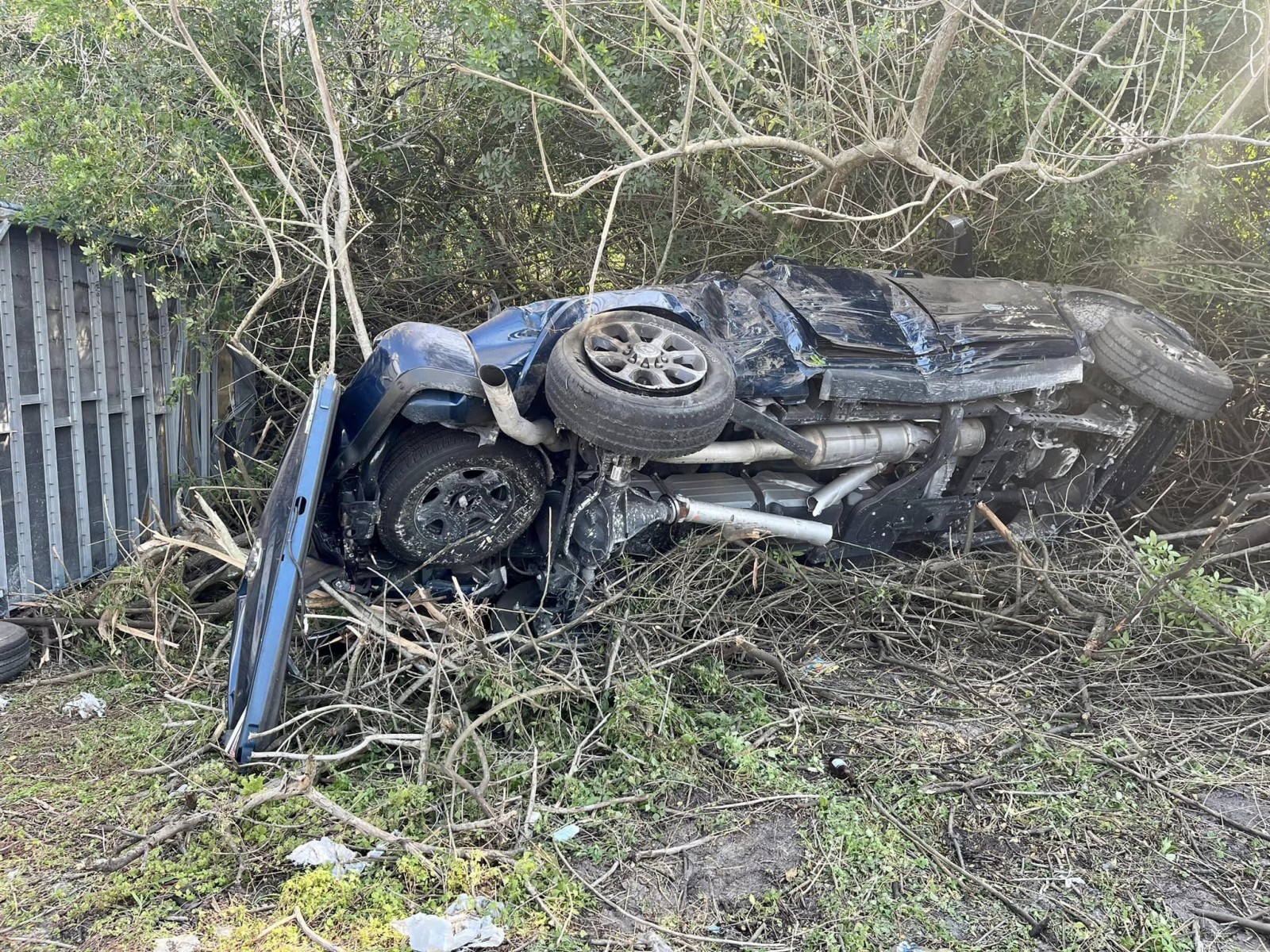
The impact sent the truck off the road. The trailer came down on its side, the truck rolled, and the two eventually separated. Amy later described the truck as having seven points of impact before coming to rest in the bushes.
Inside the truck, Amy and her passengers were left sideways. The trailer cameras had disconnected, so she could no longer see the horses. All she could hear was the sound of their hooves moving inside.
She feared the worst.
Watch Amy’s Full Story
Hear Amy describe the accident, the moments immediately afterward, and what she learned from an experience no horse owner ever expects to face.
Would Your Trailer Fit Your Horses and Tow Vehicle?
Every horse, tow vehicle, and hauling situation is different. Our team can help you evaluate trailer size, loading access, layout, towing capacity, and the features that matter most for the way you travel.
There is no obligation to purchase.
What Amy Found When She Reached the Trailer
The truck’s sunroof had shattered during the accident, giving Amy a way to climb out. She immediately made her way toward the trailer, expecting to find a devastating scene.
Instead, she saw two of her horses standing inside and looking back at her.
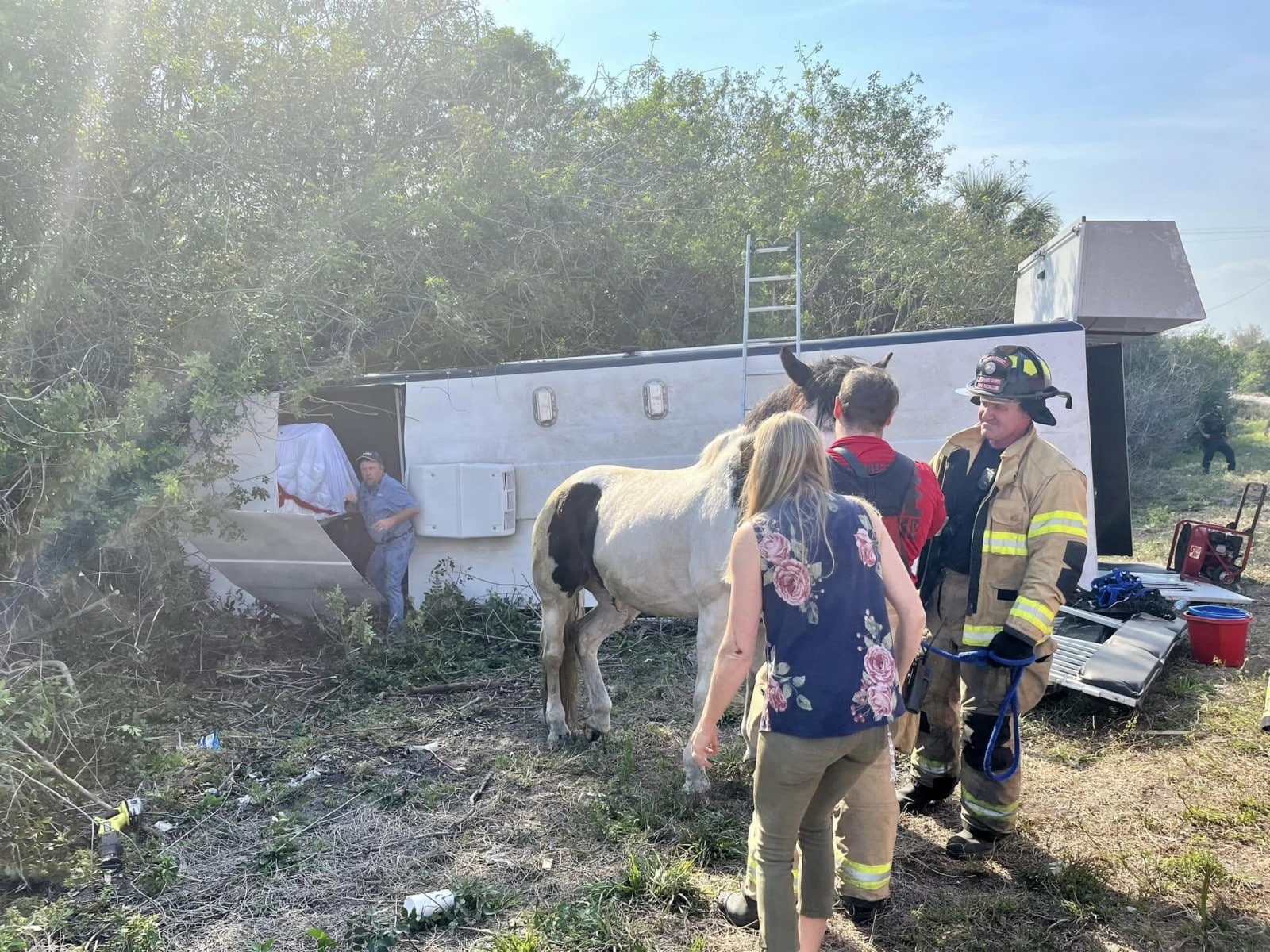
All three horses survived the accident and were able to leave the trailer. When another trailer arrived to take them home, Amy worried that they would refuse to load after what they had just experienced. To her surprise, they walked onto the other trailer.
The contrast between the truck and trailer was striking.
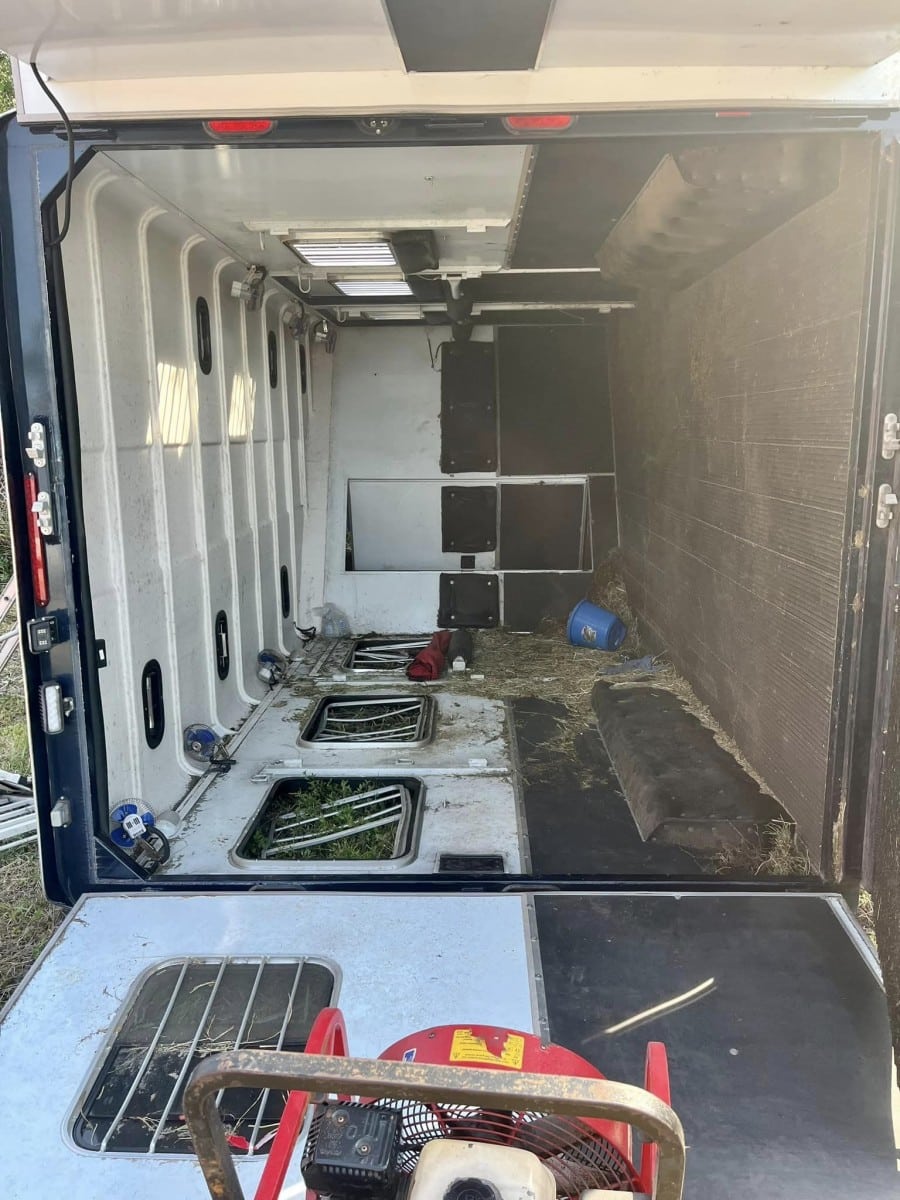
Amy’s relatively new Ram 3500 had protected the people inside the cab, but the truck itself was completely destroyed. The trailer, on the other hand, retained its overall shape. Amy recalled only a small buckle near the front gooseneck floor and said she briefly wondered whether the trailer could simply be repaired.
Her decision to replace it was not because the horse compartment had collapsed or been destroyed. After surviving the accident, she wanted to begin again with a new trailer built around the same priority: safety.
What Amy Learned From the Accident
Amy could not control the actions of the other driver. She did not cause the crash, and she had very little time to react once the SUV entered the road.
What she could control were some of the decisions made before the accident ever happened.
Looking back, several details stood out to her.
Keep Emergency Equipment Near the Horses
Amy recommends storing extra halters and lead ropes where they can be reached from the horse area.
After a crash, the normal tack compartment or exterior storage area may be blocked, damaged, or difficult to access. Keeping basic equipment near the horses may make it easier to secure them when every second matters.
Research More Than the Trailer’s Appearance
Before purchasing her trailer, Amy had spent time researching its construction and safety features.
After seeing how differently the truck and trailer responded to the accident, she became even more convinced that the materials and structure surrounding the horses deserved careful consideration.
Think About Access Before You Need It
A trailer’s doors, ramps, dividers, and tack storage may all affect how easily a horse can be reached after an accident.
One entrance could be blocked by the ground, damaged during the impact, or inaccessible to emergency responders. A trailer with multiple access points and removable interior barriers may provide more options when the usual unloading route cannot be used.
Match the Entire Rig
Trailer safety does not begin and end with the trailer.
The horses, trailer, tow vehicle, hitch, loading arrangement, and driver all work together as one system. A trailer must fit the horses while also remaining within the towing and carrying limits of the vehicle pulling it.
In Amy’s words:
“I truly believe that my research on trailer safety, and selecting a new custom Double D Trailer is the reason my horses are still alive.”
It's Rarely Just One Thing
Amy's story illustrates something that Brad Heath, Double D Trailers' founder and a private pilot, has built into how the company thinks about safety. Aviation accident investigators rarely find a single cause behind a crash; it's almost always a stack of smaller decisions that happened to line up on the same day. Brad calls this the "Swiss cheese" model: every layer of safety has gaps, and a bad outcome usually needs several of those gaps to align at once.
The upside of that framing: you don't need to get every decision right to change the outcome. You just need to break one link in the chain. Some of the ones worth watching for in yourself (pilots call them hazardous attitudes) are invulnerability ("I've hauled this horse 700 times. I've never had an issue. So, I'm good."), complacency ("I've done this a hundred times before"), and resignation ("There's nothing I can do about it anyway. If it's going to happen, it's going to happen"). Naming them ahead of time makes them easier to catch.
Brad's rule of thumb, borrowed from how pilots are trained to think about who is ultimately responsible for a flight: "The final authority, not the dealer, not the mechanic, not the last owner of your trailer, is you. You decide is a rig is safe to roll."
Design a Trailer Around Your Horses
Amy’s trailer was built for her horses, her tow vehicle, and the way she travels. Your trailer should be, too.
Use our online pricing tool to explore layouts, features, sizes, and options for your own custom Double D Trailer.
You can create an initial trailer configuration and explore pricing without any obligation to purchase.
Horse Trailer Safety Features to Evaluate
The most important horse trailer safety features to evaluate are proper stall dimensions, safe loading and emergency access, reinforced frame, roof, and wall construction, secure removable dividers, reliable flooring and traction, correct weight distribution, a properly rated tow vehicle, sound tires and brakes, and a secure hitch with a working breakaway system. Learn more here.
No single feature can guarantee the outcome of an accident. A safer hauling setup depends on the trailer, tow vehicle, maintenance, and driver all working together.
- Proper stall dimensions: The trailer should provide enough height, width, and length for the horses being hauled.
- Safe loading and unloading access: Look for an open, appropriately sized loading area with room for both the horse and handler to move safely.
- Emergency access: Consider whether each horse could still be reached if the primary doors or ramp were blocked.
- Frame, roof, and wall construction: Ask what materials are used and how the horse compartment is designed and reinforced.
- Secure, removable dividers: Dividers should remain secure during travel while allowing access to the horses when needed.
- Floor condition and traction: The floor should provide reliable footing and be accessible for regular inspection.
- Proper weight distribution: Account for the trailer, horses, tack, feed, water, equipment, and other cargo.
- A correctly rated tow vehicle: Confirm both towing capacity and payload capacity for the specific truck and fully loaded trailer.
- Tires and wheels: Inspect tire age, pressure, tread, visible damage, wheel bearings, and the spare tire. Tires age out even with good tread, since sun and heat cycling break the rubber down over time. Replace them every 4-5 years, regardless of wear, and check the manufacture date code stamped on the sidewall.
- Brakes and breakaway system: Regularly check the trailer brakes, breakaway battery, switch, and wiring.
- Hitch and safety connections: Inspect the coupler or gooseneck hitch, safety chains or cables, and the truck’s hitch components. Corrosion on a hitch ball isn't always visible from a standing look. We recommend getting underneath of the hitch with a flashlight.
- Routine maintenance: Good construction does not replace regular inspections, and maintenance cannot correct a trailer that is improperly sized or mismatched to the tow vehicle.
Good Construction and Maintenance Work Together
Maintenance cannot correct a trailer that is too small for the horses, poorly matched to the tow vehicle, or difficult to enter and exit safely. At the same time, quality construction does not eliminate the need for regular inspections.
A safer hauling setup combines a trailer that fits the horses, a suitable tow vehicle, thoughtful loading access, reliable components, regular maintenance, and a driver who understands the entire rig.
Not Sure What Your Horses Need?
Trailer safety is not one-size-fits-all. The right size, stall layout, loading configuration, materials, and tow vehicle depend on your horses and how you plan to use the trailer.
Schedule a video call with our team and design your trailer together. We can provide customized floorplans, pricing, towing guidance, and recommendations based on your needs.
Build Safety Into Your Trailer From the Beginning
Amy could not prevent another driver from running the stop sign that day.
What she could do was make thoughtful decisions about the truck and trailer surrounding the people and horses she cared about.
No manufacturer can promise what will happen in every accident. But trailer owners can ask better questions before they buy:
Does the trailer fit my horses? Can I reach each horse in an emergency? Does the layout protect me while loading? Is the tow vehicle truly rated for the complete load? Can I inspect and maintain the critical components? What materials surround the horses if the trailer ends up on its side?
Those questions are much easier to answer before an accident than after one.
At Double D Trailers, each trailer is customized around the horses, the owner, the tow vehicle, and the way the trailer will be used.
Want to learn more? Watch our Horse Trailer Accident Safety webinar below.
Ready to Explore Your Options?
Choose your model, features, dimensions, and options to receive an initial custom price.
Prefer to Talk It Through?
Book a Video Call With Our Team
Meet face-to-face with a trailer expert from anywhere. We’ll help you compare layouts, answer towing questions, create customized floorplans, and provide pricing based on your needs.
There’s no obligation to purchase.
Horse Trailer Safety FAQs
What makes a horse trailer safe in an accident?
No single feature can guarantee the outcome of a crash. A safer hauling setup depends on the trailer, tow vehicle, maintenance, and driver working together — proper stall dimensions, safe loading and emergency access, reinforced frame, roof, and wall construction, secure removable dividers, reliable floors and traction, correct weight distribution, and a properly rated tow vehicle.
How do I reach my horses if the doors are blocked after a crash?
Look for a trailer with multiple access points and removable interior barriers, because one entrance could be blocked by the ground, damaged on impact, or inaccessible to emergency responders. It also helps to store extra halters and lead ropes where they can be reached from the horse area, since the usual tack compartment may be damaged or blocked.
Does my tow vehicle need to match my horse trailer?
Yes. The horses, trailer, tow vehicle, hitch, loading arrangement, and driver all work together as one system. Confirm both the towing capacity and the payload capacity of your specific truck against the fully loaded trailer — including horses, tack, feed, water, and equipment.
Can maintenance make up for a poorly built or mismatched trailer?
No. Maintenance cannot correct a trailer that is too small for your horses, poorly matched to the tow vehicle, or hard to enter and exit safely. At the same time, quality construction does not remove the need for regular inspections. The two work together.